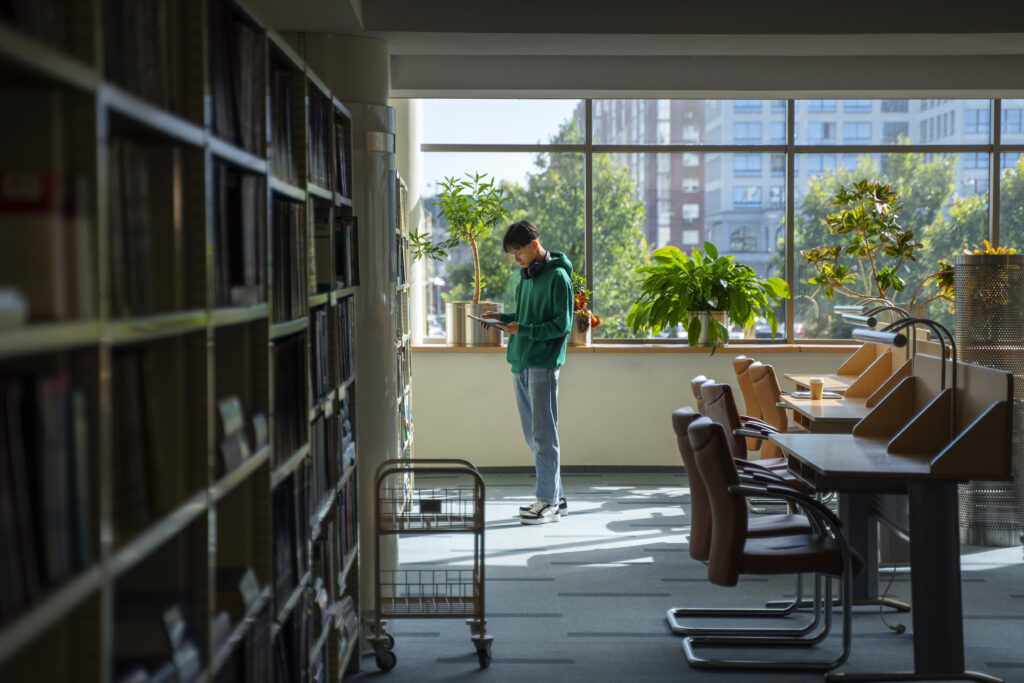
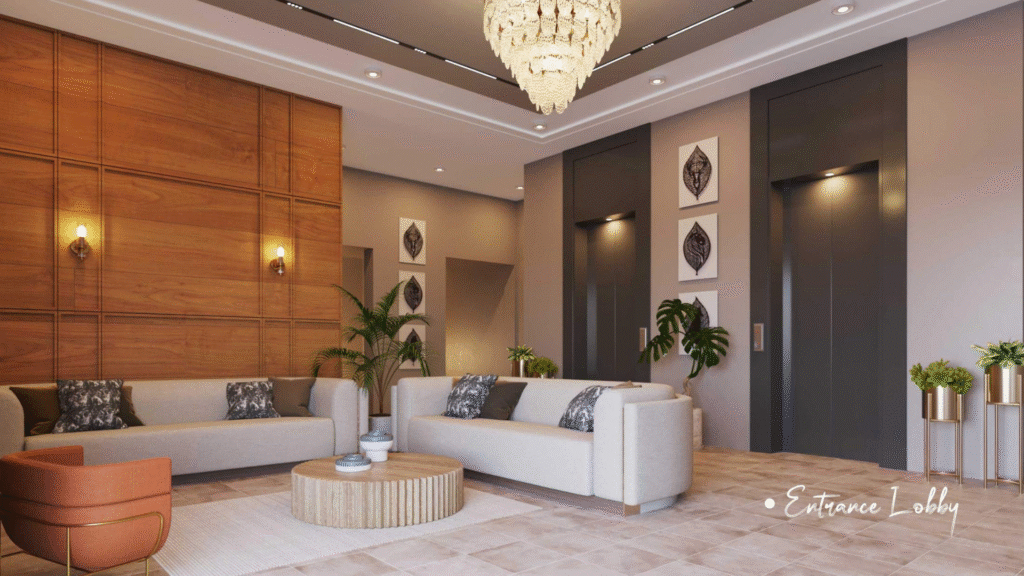
Library in a Residential Complex enhances smart living by offering residents a peaceful space for learning, reading, and personal growth. A library in residential complex contributes significantly to the community’s educational resources.
Imagine stepping out of your apartment and finding a calm, quiet space filled with books just a few steps away. No traffic, no noise—just peace and knowledge. That’s exactly what alibrary in a residential complexoffers. In today’s fast-paced urban life, such thoughtful amenities are no longer luxuries; they’re becoming necessities.
A library in a residential complex is a modern amenity that enhances smart living, encourages reading habits, supports children’s education, and promotes community bonding. In today’s fast-paced urban lifestyle, residential libraries provide a peaceful space for learning, relaxation, and personal growth while also increasing property value and attracting families and professionals. The presence of a library in residential complex is essential for fostering a culture of knowledge.
Library in Residential Complex: A Modern Amenity for Smarter Living
The Importance of a Library in Residential Complex
Why Residential Complexes Need a Library
Life today is dominated by screens. Phones, laptops, TVs—you name it. A library acts like a pause button. It brings balance. For children, it nurtures learning. For adults, it offers relaxation. For seniors, it provides companionship through books.
A library in a residential complex isn’t just about books; it’s about building a culture of learning and mindfulness.
The Changing Lifestyle of Urban Residents
Urban living often means limited space and limited access to quiet environments. Public libraries are either too far or overcrowded. That’s where residential libraries shine—they’re accessible, safe, and personal.
What Is a Residential Complex Library?
A residential complex library is a shared reading and learning space within a housing society. It may be a dedicated room, a section of the clubhouse, or even a well-designed corner with shelves and seating.
Who Can Use the Library?
Typically, all residents—children, adults, and senior citizens—can use the library. Some societies also allow staff or nearby residents during specific hours.
Types of Libraries in Housing Societies
Traditional book libraries
Children-focused reading rooms
Digital or e-library spaces
Hybrid libraries (books + digital access)
Key Benefits of a Library in a Residential Complex
Encourages Reading Habits
When books are easily accessible, reading becomes a habit rather than a task. Children pick up books naturally, and adults rediscover the joy of reading without distractions.
Supports Children’s Education
From school textbooks to reference material, a residential library becomes an extension of a child’s study room. Group study sessions and quiet learning zones boost academic performance.
A Quiet Space in a Busy World
Let’s be honest—homes aren’t always quiet. A library provides a peaceful environment for reading, studying, or simply thinking.
Promotes Community Interaction
Book clubs, reading sessions, and storytelling events bring residents together. A library strengthens social bonds in a subtle yet powerful way.
Library as a Value-Adding Amenity
Impact on Property Value
A residential complex with a library is often perceived as premium. Buyers see it as a sign of thoughtful planning and community-focused living.
Attracting Families and Professionals
Families with children and working professionals actively look for educational and wellness amenities. A library ticks both boxes.
Competitive Advantage for Builders
For developers, adding a library helps differentiate their project in a crowded real estate market.
Designing a Library in a Residential Complex
Ideal Location Within the Society
The library should be located away from noisy areas like playgrounds or gyms. Ground floors or clubhouse corners work best.
Space Planning and Seating Arrangement
Even a small space can work if planned well. Comfortable chairs, study tables, and cozy reading corners make a big difference.
Lighting, Ventilation, and Acoustics
Natural light is ideal. Soft artificial lighting, proper ventilation, and soundproofing create a perfect reading atmosphere.
Furniture and Shelving
Use ergonomic furniture and wall-mounted shelves to save space. Safety is key, especially for children.
Digital vs Physical Library Setup
While physical books have charm, digital access saves space and cost. A balanced mix is ideal.
Books and Resources to Include
Children’s Books and Study Material
Storybooks, comics, encyclopedias, and school reference books are a must.
Fiction and Non-Fiction for Adults
Novels, self-help books, biographies, and business reads cater to diverse interests.
Magazines, Newspapers, and Journals
Daily newspapers and monthly magazines keep residents updated.
E-books and Digital Resources
Tablets or computers with e-book access add a modern touch.
Library Management in Housing Societies
Role of the Society Committee
The committee oversees budgeting, rules, and overall maintenance.
Library Rules and Timings
Clear guidelines on silence, book handling, and timings ensure smooth functioning.
Book Issuance and Return System
Simple registers or digital tracking systems help manage inventory efficiently.
Technology Integration in Residential Libraries
Digital Catalog Systems
Residents can check book availability online, saving time and effort.
Community Book-Sharing Apps
Apps encourage sharing personal book collections within the society.
Wi-Fi and Study-Friendly Infrastructure
Wi-Fi enables online learning and research, making the library future-ready.
Challenges in Maintaining a Residential Library
Limited Space
Not all societies have extra rooms, but creative layouts can solve this.
Maintenance and Budget Issues
Regular upkeep requires funds, which can be managed through nominal monthly contributions.
Keeping Residents Engaged
Without activities, libraries may become underused.
Solutions and Best Practices
Resident Volunteering
Volunteers can manage daily operations and events.
Book Donation Drives
Encourage residents to donate books they no longer use.
Regular Reading Activities
Storytelling sessions, book discussions, and author talks keep the library alive.
Future of Libraries in Residential Complexes
As remote work and digital learning grow, residential libraries will evolve into hybrid knowledge hubs. They’ll support education, mental wellness, and community bonding—all under one roof.
Conclusion
A library in a residential complex is more than an amenity—it’s a lifestyle upgrade. It nurtures learning, encourages mindfulness, and brings people together. In a world full of noise, a quiet room full of books can make all the difference. Whether you’re a builder, buyer, or society member, investing in a residential library is investing in smarter, happier living.
Frequently Asked Questions (FAQs)
1. Is a library necessary in a residential complex?
Yes, it promotes learning, improves quality of life, and adds long-term value to the property.
2. How much space is required for a residential library?
Even a small room or corner can work with proper planning and shelving.
3. Who manages the library in a housing society?
Usually, the society committee with help from resident volunteers.
4. Can digital libraries replace physical books?
Digital libraries are useful, but a mix of both offers the best experience.
5. Does a residential library increase property value?
Yes, it enhances the appeal of the complex and attracts quality buyers.